Magic has welcomed some of the biggest franchises in entertainment this year, but when it comes to drafting, players seem more interested in the worlds Wizards created itself.
Take Lorwyn, for example. For nearly two decades, it was a world Magic players could remember. Its strange fairy tale landscape, mischievous Goblins, and familiar tribes belonged to another era of the game, long before Wizards of the Coast began filling its release calendar with superheroes and television franchises.
When Lorwyn finally returned in January, players welcomed it back. Meanwhile, some of the biggest entertainment franchises in the world are having a difficult time attracting the same enthusiasm from Magic’s dedicated drafting community.
New data from MTG Arena suggests that, despite the enormous commercial success of Universes Beyond, players are showing considerably more interest in drafting Magic’s original worlds. The difference has become especially noticeable in 2026, when every in-universe release outperformed every crossover set in week one Premier Draft games.
The numbers also raise a larger question about Magic’s future. With Wizards increasingly looking outside its own universe to attract new customers, could the worlds it spent more than thirty years building still be its greatest asset for keeping players engaged?
In-Universe MTG Sets Dominated Premier Draft in 2026
A comparison of 17Lands data compiled by PaleWendigo examined first week Premier Draft games dating back to 2023. The results show a substantial difference between this year’s in-universe sets and their Universes Beyond counterparts.
In-universe sets averaged 297,446 games during their opening week in 2026, compared to 173,731 for Universes Beyond releases. That’s nearly 42% fewer games for the crossover sets.
Here’s how all seven major Magic releases from 2026 performed:
| MTG Set | First Week Games | Type |
|---|---|---|
| Secrets of Strixhaven | 327,247 | In-universe |
| Lorwyn Eclipsed | 304,008 | In-universe |
| Reality Fracture | 261,083 | In-universe |
| Marvel Super Heroes | 231,649 | Universes Beyond |
| The Hobbit | 219,235 | Universes Beyond |
| Star Trek | 144,866 | Universes Beyond |
| Teenage Mutant Ninja Turtles | 99,173 | Universes Beyond |
Star Trek recorded fewer than half as many games as Lorwyn Eclipsed. Teenage Mutant Ninja Turtles did even worse, finishing below 100,000 games during its opening week.
Magic’s in-universe releases have generally attracted between 250,000 and 330,000 first week Premier Draft games since 2023, with relatively little long-term deterioration in those numbers.
Universes Beyond has followed a much less predictable path. The Lord of the Rings: Tales of Middle-earth recorded 218,036 games in 2023, while Final Fantasy reached an impressive 352,352 in June 2025. Since then, crossover releases have struggled to approach that high point.
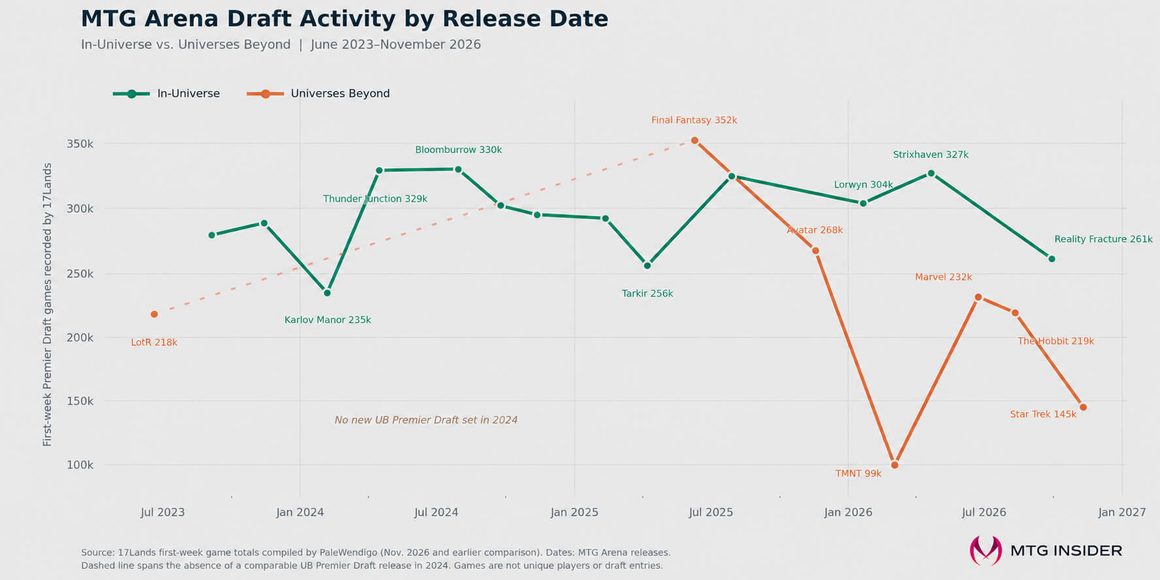
This data comes from 17Lands, which only tracks games recorded by players using its software. The totals represent games rather than unique players or draft entries, and they exclude other Limited formats such as Sealed and Pick-Two Draft.
Why Are Magic’s Own Worlds So Popular With Drafters?
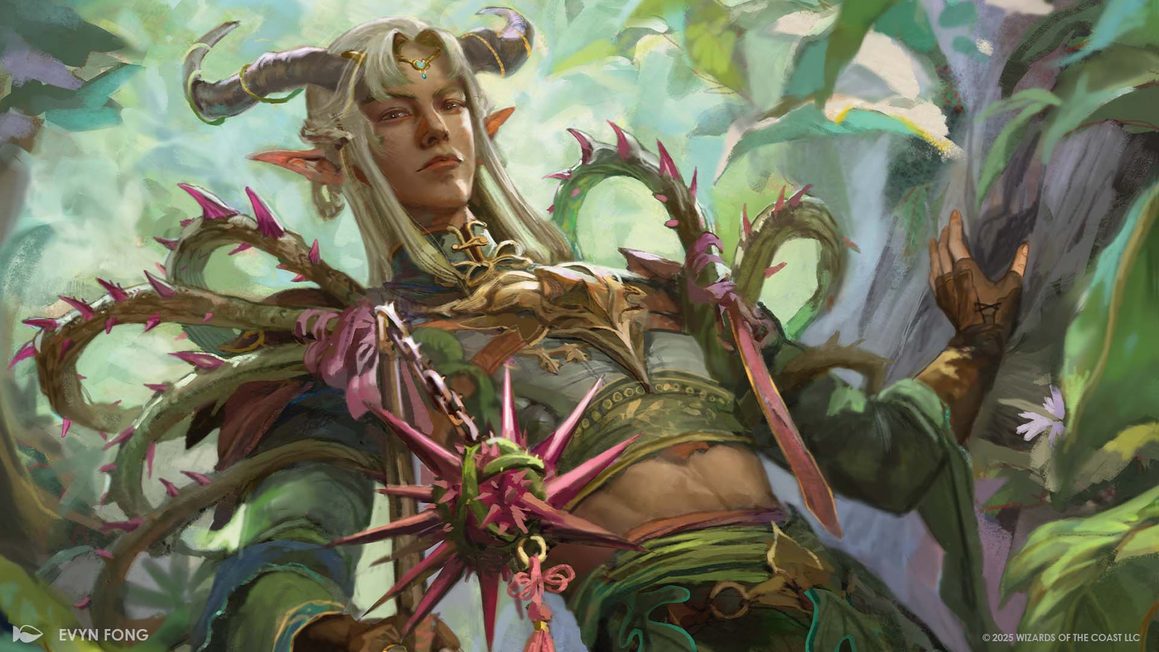
Part of Lorwyn’s appeal was undoubtedly nostalgia, although Wizards gave returning players more than a familiar setting and recognizable characters.
When Lorwyn Eclipsed arrived, it brought back the Elves, Merfolk, Kithkin, Goblins, and Elementals that had helped define the original plane. For players who remembered drafting Lorwyn nearly twenty years earlier, there was considerable excitement surrounding another opportunity to explore its peculiar fairy tale world.
Wizards also reworked the plane’s original draft philosophy, giving players more flexibility rather than requiring every deck to commit heavily to one creature type.
Secrets of Strixhaven followed a similar approach by bringing back the five colleges and the popular Mystical Archive, while offering drafters another opportunity to build around familiar spells from Magic’s history.
Mark Rosewater explained during the set’s design discussion that the Mystical Archive was an important part of bringing back the Strixhaven experience.
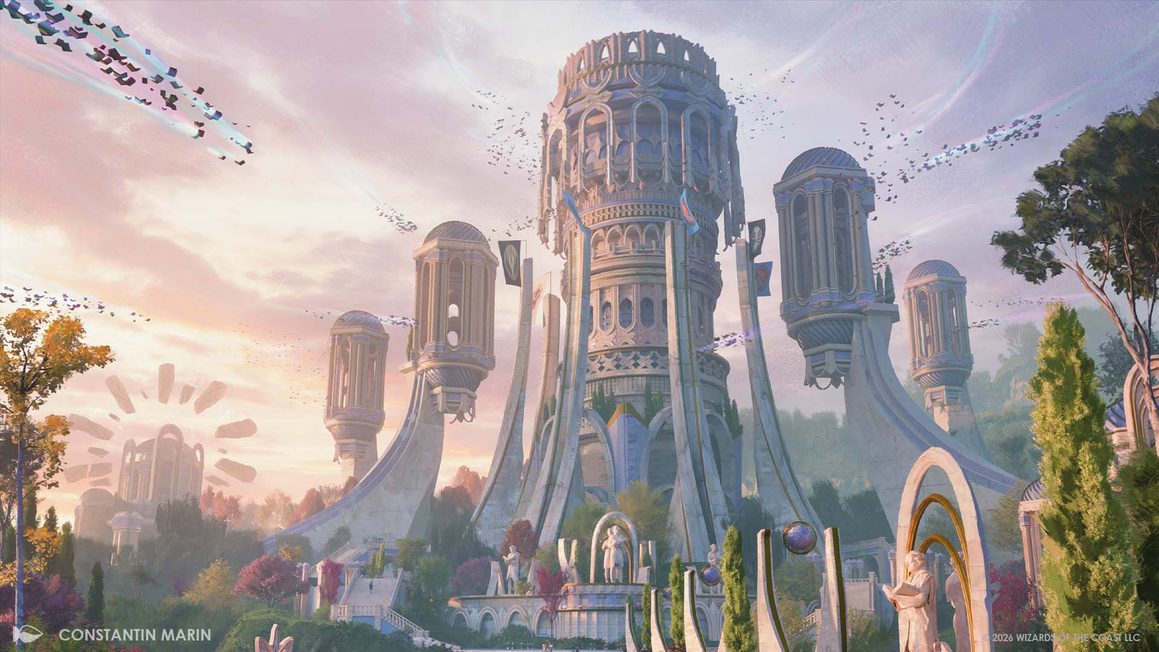
Reality Fracture offered something different, with a slower Limited environment that gave players more opportunities to assemble value engines, splash additional colors, and build around planeswalkers.
That style of gameplay found a dedicated audience. Members of the Limited Level-Ups community organizing 120 Reality Fracture pod drafts during its first month, compared to approximately 30 for The Hobbit.
Of course, nostalgia alone cannot explain why these sets did well. Plenty of Magic players who never experienced the original Lorwyn or Strixhaven releases also participated.
Why Are Players Losing Interest in Universes Beyond?
The complaints surrounding Star Trek and Marvel Super Heroes have followed several familiar themes, including the growing release schedule, higher product costs, and concerns that some crossover properties simply don’t feel at home in Magic.
Star Trek has been particularly divisive, with its realistic artwork drawing criticism from players accustomed to Magic’s traditional fantasy illustrations. There’s also something strange about attacking and blocking with Starfleet captains, characters who are better known for sitting on a starship’s bridge discussing their next move than charging into combat.

Chance Mahon of Gamers XP Shreveport raised similar concerns when speaking with Magic Untapped, pointing to the set’s realistic artwork and emphasis on recognizable characters as reasons it felt disconnected from the Magic experience his customers expected.
The response among local game stores has been especially troubling. According to a Wizards Play Network poll, 83% of responding retailers described their communities’ reception of Star Trek as negative or very negative.
Marvel Super Heroes encountered some of the same concerns earlier this year, although its reception was considerably less hostile.
In a separate WPN retailer survey reported in July, 42% of stores described their communities’ response to Marvel as neutral, compared to 35% positive and 16% negative.
Brian Williams of Legacy Cards and Games in Victoria, Texas, pointed to the higher cost of Universes Beyond products, disappointment with the cards themselves, and the decision to reserve certain chase cards for Collector Boosters.
Then there’s the growing sense that Magic players are being asked to keep up with more releases than they have time to enjoy. With seven major releases in 2026, the window between sets has become increasingly crowded, particularly for Limited players who enjoy spending several weeks learning a draft environment. By the time they’ve become comfortable with one environment, another set may already be waiting for them.
The declining interest has been visible at local game stores. At Jolly Joker Game Café in Turin, Italy, owner Federico Faenza reported just 17 Star Trek prerelease signups, compared to 160 for Reality Fracture.
There are players who enjoy Star Trek‘s Limited gameplay, but the reception suggests that licensing an enormously popular franchise isn’t enough on its own to convince established Magic players to spend time and money learning another set.
Universes Beyond Is Selling, but Who Is Playing?
Despite its weaker Premier Draft participation, Universes Beyond continues to perform strong commercially, suggesting that Magic’s growing audience may be engaging with the game in very different ways.
During Hasbro’s July 2026 earnings call, CEO Chris Cocks announced that Marvel Super Heroes had become the fastest Magic set to generate $300 million in revenue, setting records for both its opening day and opening month.
So the set was a massive commercial success, yet finished behind every in-universe set in terms of people sitting down to draft it.
During the question and answer portion of the call, Hasbro explained that Marvel had sold especially well among new players and at retailers like Disney theme parks and GameStop, where Organized Play isn’t the focus.
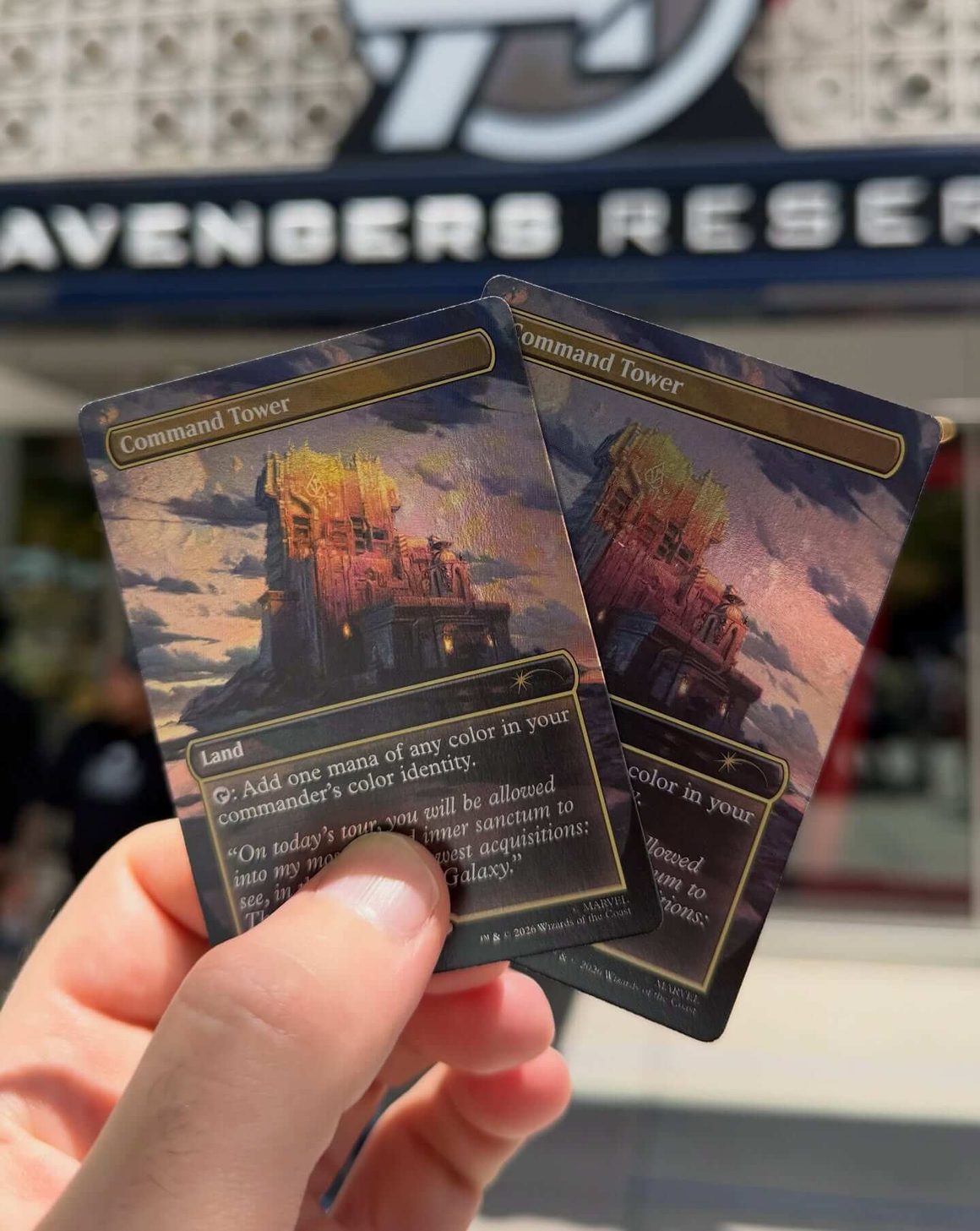
That clue offers one possible explanation for the difference between commercial success and draft participation. Some are buying Marvel cards because they’ve followed the Avengers and find the product collectible, but those same people may not have any interest in playing.
Game stores are already seeing that trend with Star Trek. Mahon reported that customers at his store were purchasing entire sets of cards, something he rarely encounters with other Magic releases.
For those customers, the attraction may be collecting familiar characters rather than building a competitive deck. There are exceptions, however, including Final Fantasy, which attracted more first week Premier Draft games than any other set.
Hasbro also reported during its October earnings call that The Hobbit had become Magic’s fourth best selling set of all time and attracted record tabletop prerelease participation for a Universes Beyond release.
Universes Beyond is clearly bringing new customers into Magic, but the draft data suggests that those customers may not be contributing much to organized play.
Magic’s In-Universe Sets Are Breaking Sales Records Too
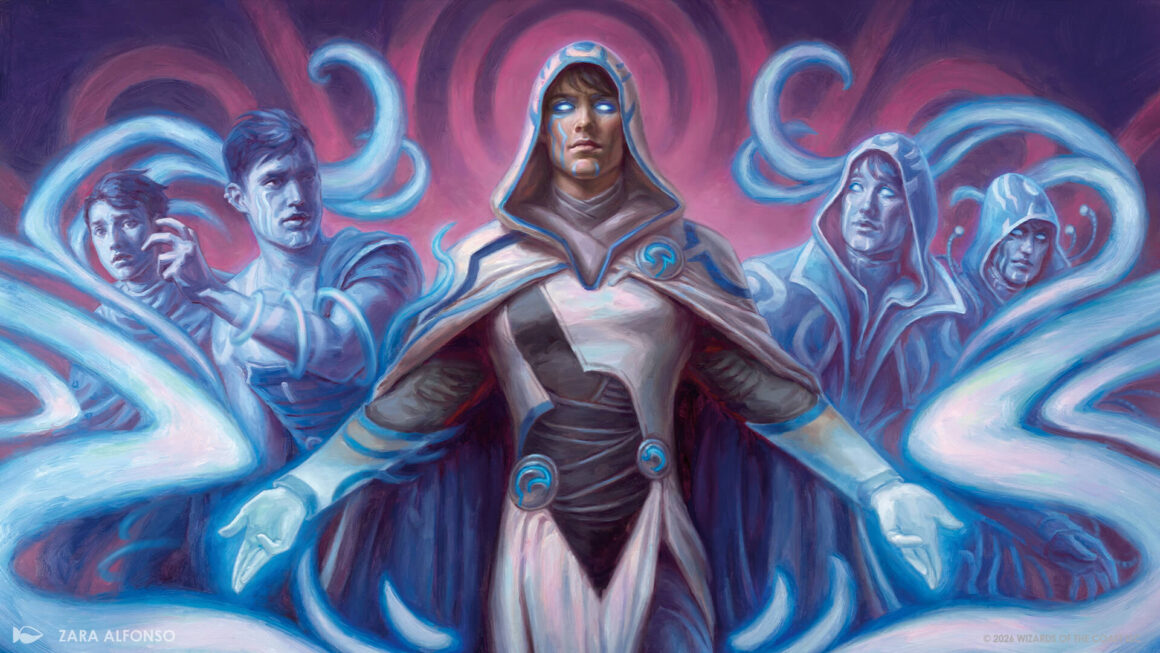
With so much attention surrounding Marvel, Final Fantasy, and Star Trek, it would be easy to assume that Magic’s biggest releases are the ones carrying famous names from other entertainment franchises.
But two of the company’s most successful Premier releases this year came from worlds Wizards created itself.
During Hasbro’s first quarter earnings call in May, Cocks announced that Lorwyn Eclipsed had become the best selling Premier set in Magic’s history, while also delivering the highest engagement and Organized Play statistics recorded since the pandemic.
For a plane that hadn’t received a full return set in nearly twenty years, it was an extraordinary result, although Lorwyn Eclipsed wouldn’t hold the sales record for very long.
Secrets of Strixhaven had already surpassed it by the time Hasbro reported its first quarter results, meaning two consecutive in-universe releases had broken Magic’s Premier set sales record within months of each other.
Reality Fracture followed with stronger than expected shipments, according to Hasbro’s October earnings report, continuing a remarkably successful year for Magic’s original settings.
It seems Wizards doesn’t always need a famous entertainment franchise to sell record numbers of Magic cards.
TCGplayer Sales Rankings Also Favor In-Universe Sets
Hasbro isn’t the only source showing strong commercial demand for Magic’s original worlds. Sales data from TCGplayer suggests that in-universe releases have also been outperforming their Universes Beyond counterparts on the secondary market.
According to TCGplayer’s first quarter sales report, Lorwyn Eclipsed ranked second among all new trading card game sets sold on the platform, while Teenage Mutant Ninja Turtles finished fourth.
The pattern continued into the second quarter. Secrets of Strixhaven took first place, ahead of Pokémon and One Piece releases, while Marvel Super Heroes finished fourth.
These rankings measure the total dollar value of singles and sealed products sold through TCGplayer. They also include competing trading card games, not just Magic.
The Hobbit also sold well in the third quarter, finishing second overall, although there was no new in-universe release during that period to compare it against.
Disney Already Learned a Lesson About Franchise Fatigue
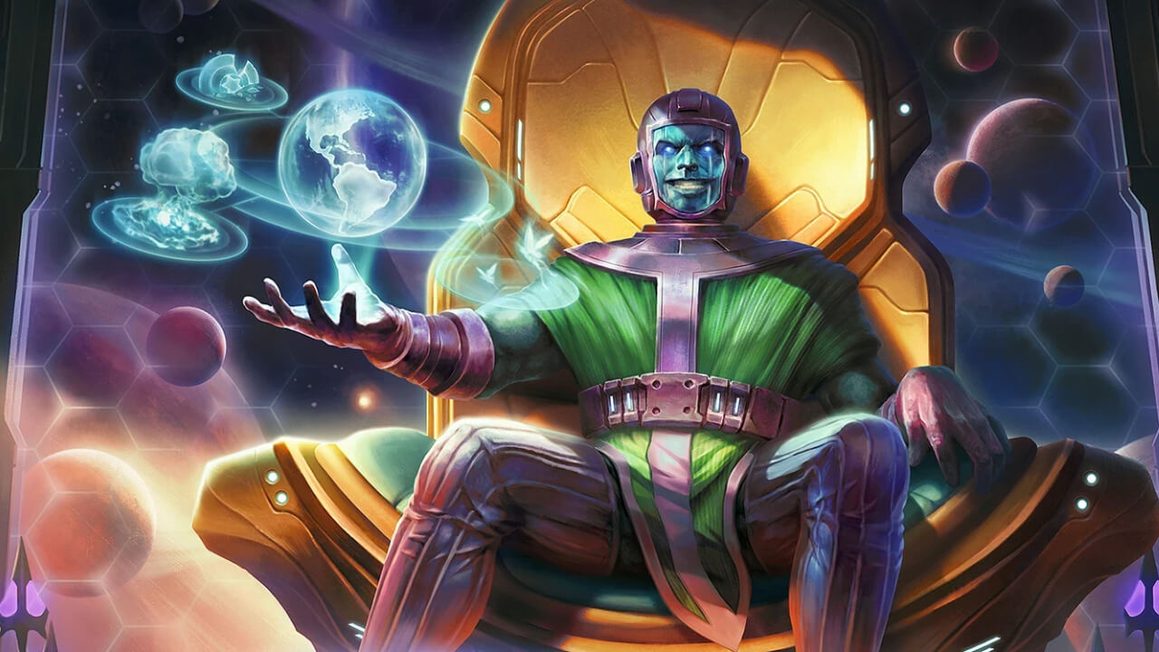
There’s an interesting parallel between Magic’s growing release schedule and what Disney experienced with Marvel and Star Wars.
A new Avengers or Star Wars movie once felt like a major event, with fans eagerly awaiting each release. But Disney eventually flooded theaters and streaming services with new movies and television shows, making it increasingly difficult for audiences to keep up.
Following the disappointing results of Solo: A Star Wars Story in 2018, Disney CEO Bob Iger acknowledged that the company had moved too quickly, describing its Star Wars release strategy as “a little too much, too fast.”
Marvel eventually faced similar concerns. During Disney’s May 2024 earnings call, Iger announced plans to reduce Marvel’s television output from roughly four series annually to two, while scaling back its film schedule to two or three movies a year.
There’s a lesson here for Wizards of the Coast. Final Fantasy was an enormous event for Magic, attracting new players and recording more week one Premier Draft games than any other set, but you can’t recreate that experience every few months.
ALSO READ: Wizards Details Nauctis Civil War, Returning Characters and Future MTG Plans
