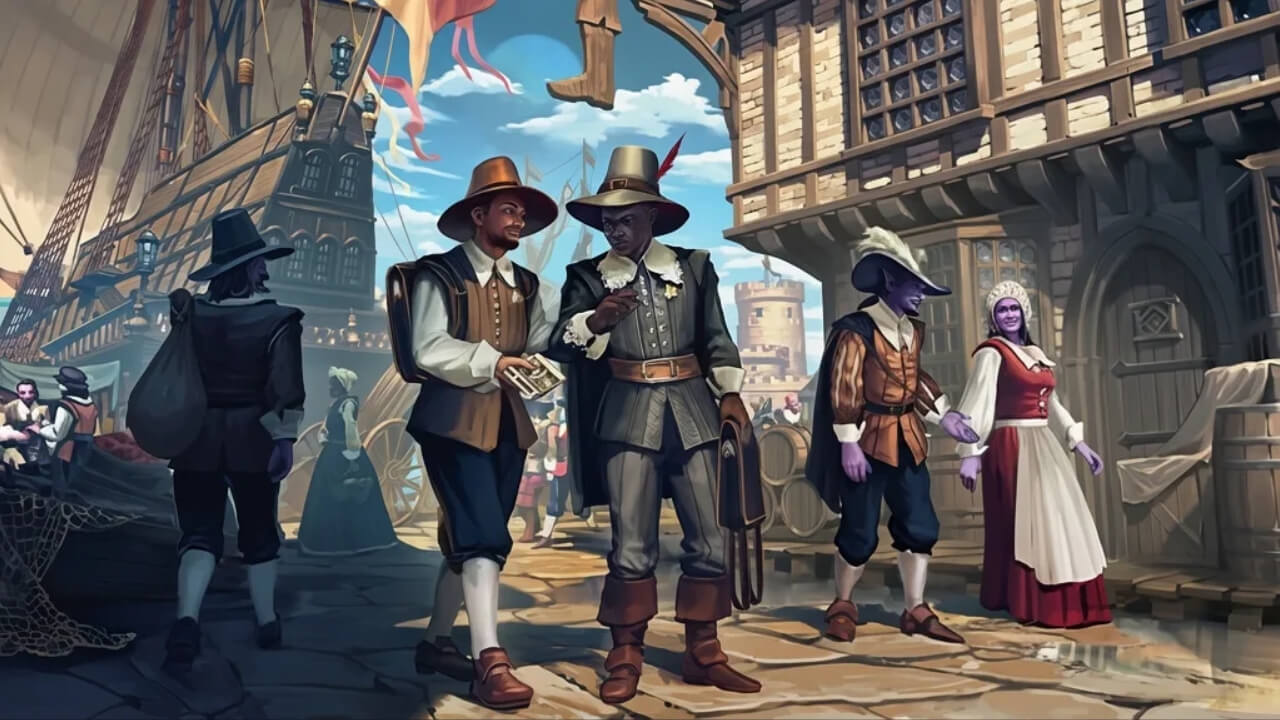
Stefan Schütz’s 10-0 Standard run at Magic World Championship 32 was not just a hot weekend. According to newly published Metagame Mentor win-rate data released by Wizards of the Coast today, his creatureless Izzet Mission deck exposed a massive blind spot across the entire 128 player field.
Going into Atlanta, Standard looked like a creature based meta.
The official Worlds metagame breakdown shows that the three most played nonland maindeck cards in the tournament were Llanowar Elves at 158 copies, Practiced Offense at 126 copies, and Momo, Friendly Flier at 124 copies.
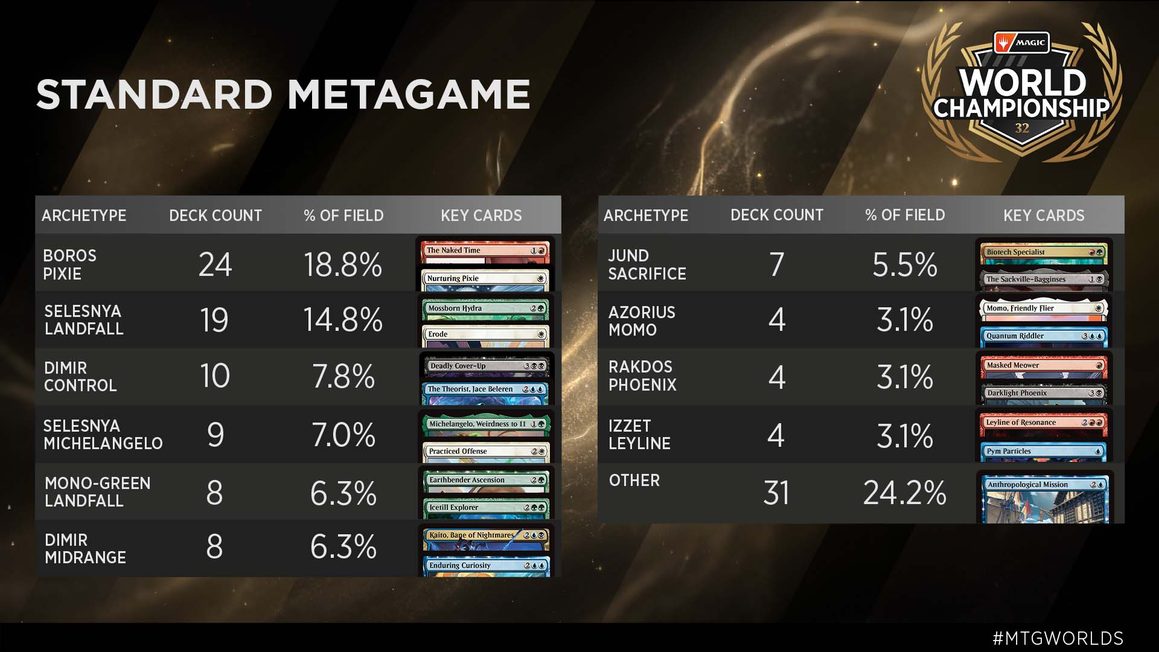
Nearly half the room registered creature based archetypes like Boros Pixie at 24 decks, Selesnya Landfall at 19 decks, Selesnya Michelangelo at 9 decks, and Mono-Green Landfall at 8 decks.
Because competitors expected to fight fast creature boards, they packed their main decks and sideboards with creature removal. Almost nobody brought enchantment hate.
Why the Field Walked Right Into the Trap
That preparation created a perfect opening for Izzet Mission, which only two players in the entire 128 player room registered. Schütz went 7-0 in the Swiss rounds before sweeping the Top 8, while his Handshake Moxfield teammate Alex Rohan went 5-3, giving the archetype a combined 12-3 Swiss record.
Three factors explain why opponents played poorly against the deck:
- Dead Game 1 Removal: Izzet Mission played zero creatures in its main deck. Opponents sat on hands full of creature removal while cheap interaction like Torch the Tower, Into the Flood Maw, and Spell Snare kept their own boards clear.
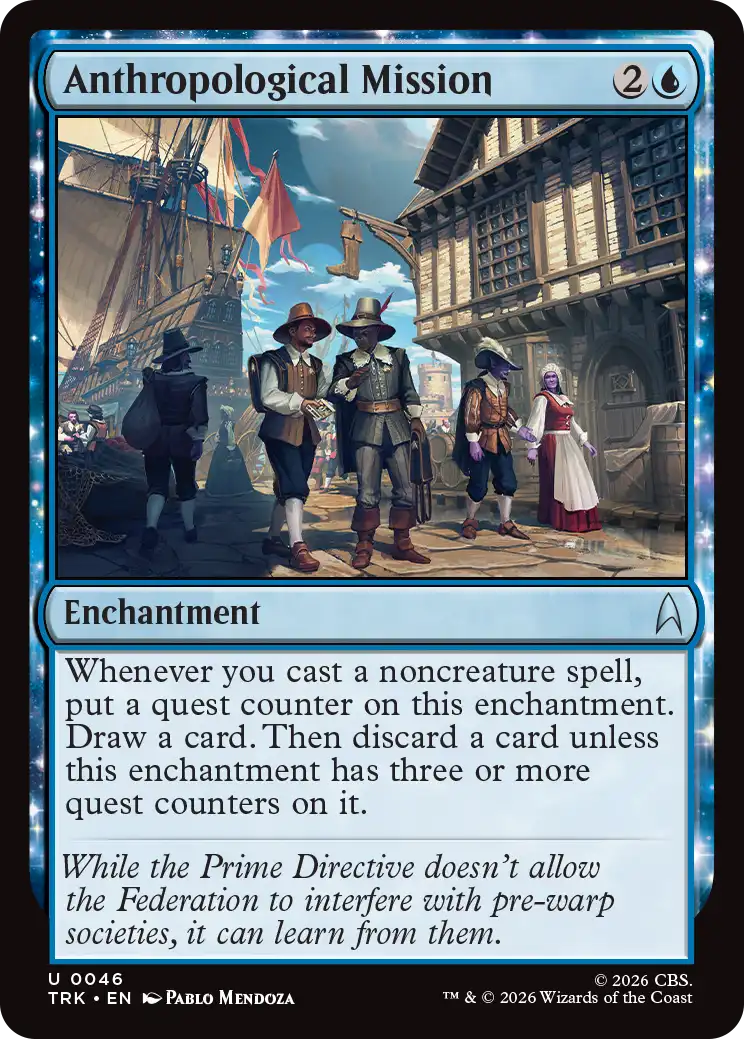
- Untouched Engine: Only 14 copies of Anthropological Mission were registered across the entire tournament, with just eight in main decks. With virtually no enchantment removal in the room, the card sat on the battlefield unchecked.
- The Sideboard Pivot: After Game 1, opponents naturally boarded out their dead creature removal. Schütz punished that adjustment by bringing in Bothersome Noisemaker to build an escalating Goblin token army, a shift that decided his quarterfinal, semifinal, and 3-0 finals sweep against Eduardo Sajgalik.
Even before Worlds, Izzet was largely off the radar. In pre-Worlds Metagame Mentor analysis, Frank Karsten noted that Izzet archetypes had been disappointing and gained nothing of note from Reality Fracture. By pivoting to a fresh Anthropological Mission shell that closed games with Ral, Crackling Wit and Traumatic Critique, Schütz attacked an angle that the field ignored.
How the Rest of the Metagame Cannibalized Itself
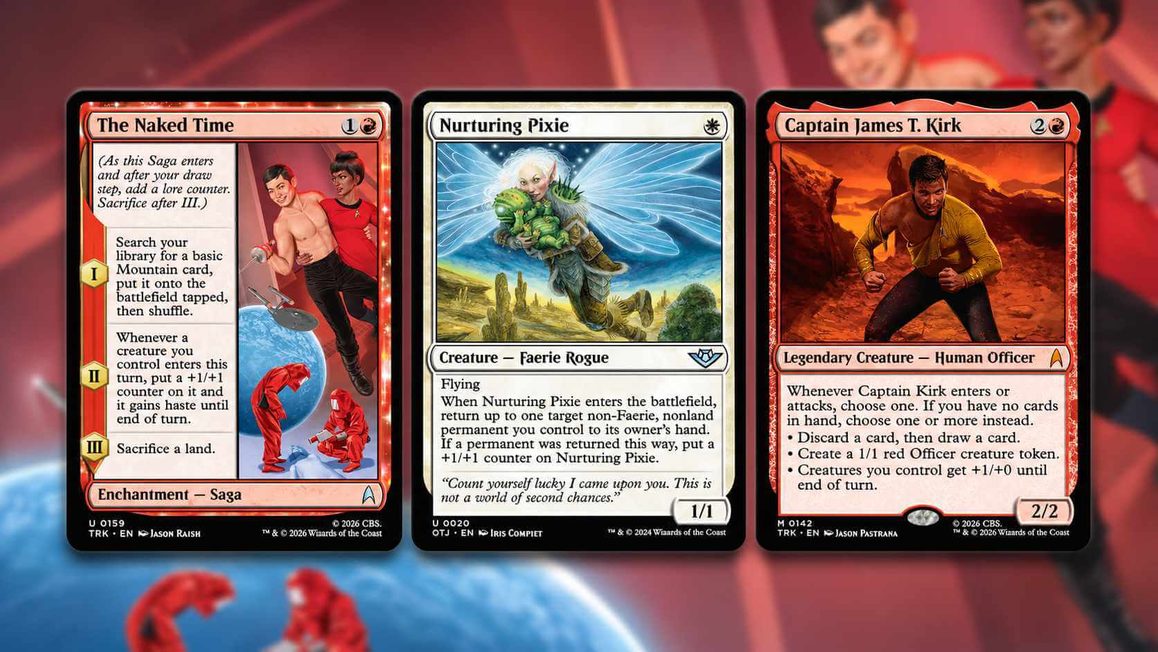
While Izzet Mission dodged interaction, the rest of the top decks tore into each other in a tight rock-paper-scissors triangle. Boros Pixie was the most-played deck at 18.8% of the field, running 104 total copies of The Naked Time across Boros Pixie and Boros Dragons to ramp a Mountain on chapter one, buff fliers on chapter two, and reset the Saga with Nurturing Pixie.
Boros Pixie posted a strong 56% non-mirror win rate and completely dismantled Team Handshake Moxfield’s Darklight Phoenix brew. Rakdos Phoenix finished 12-16 overall in non-mirrors, a record that hides a 12-6 mark against the rest of the field and a brutal 0-10 collapse against Boros Pixie.
Boros Pixie still had its own problems, going 3-10 against Selesnya Michelangelo and 1-6 against Azorius Momo. Piloted by four players including Shuhei Nakamura, Azorius Momo went 15-11-1 overall by pairing Friendly Flier, Sage of the Skies, and Starfield Shepherd with blink value from Daydream, Steamcore Scholar, and Quantum Riddler.
Karsten noted that Izzet Mission could have struggled against other control decks or a field armed with enchantment removal. Now that the deck is no longer a secret, Standard players heading into local RCQs ahead of the November 30 Banned & Restricted update will have to decide how many sideboard slots they can afford to pull away from creature matchups just to answer Anthropological Mission.
ALSO READ: MagicCon Tokyo Confirms Venue, Teases Kamigawa: Titanbreach Experience
